Input Tax Credit (ITC) Claim Rules for GST Bills: Complete Legal Compliance Guide
Input Tax Credit (ITC) is the core mechanism of the Goods and Services Tax (GST) system in India, preventing the cascading effect of double taxation. For manufacturers, wholesalers, retailers, and e-commerce sellers, claiming every rupee of eligible ITC is crucial for maintaining healthy profit margins. However, claiming ITC requires strict adherence to statutory conditions under Sections 16, 17, and 18 of the CGST Act 2017. This guide covers all mandatory rules, invoice criteria, and reconciliation steps.
What is Input Tax Credit (ITC)?
Input Tax Credit allows a registered taxable person to claim credit for the GST paid on purchases of goods, raw materials, capital assets, packaging materials, and input services used in the course or furtherance of business. When you make taxable outward sales, the GST collected from customers is offset against the ITC balance available in your Electronic Credit Ledger, and only the balance difference must be deposited in cash.
The Four Fundamental Conditions to Claim ITC (Section 16(2))
Under Section 16(2) of the CGST Act, a registered buyer cannot claim any Input Tax Credit unless all four of the following statutory conditions are fulfilled simultaneously:
- Possession of a Valid Tax Invoice: The buyer must possess a valid tax invoice or debit note issued by a registered supplier, containing all mandatory details prescribed under Rule 46 of the CGST Rules.
- Actual Receipt of Goods or Services: The goods or services must have been physically received. In cases where goods are delivered in installments or lots against a single invoice, ITC can only be claimed upon receipt of the final installment.
- Tax Paid to Government by Supplier: The supplier must have actually deposited the collected tax with the government, either in cash or through valid ITC utilization, and reported it in their GSTR-1 return.
- Filing of Valid GST Return: The buyer must have filed their monthly return in Form GSTR-3B claiming the specific credit.
Mandatory Tax Invoice Requirements for Valid ITC Claims
A tax invoice must contain the following specific information to qualify as a legal ITC-supporting document under Rule 46:
- Supplier's GSTIN, Name, and Registered Address: Must match official GST portal records.
- Buyer's GSTIN, Legal Name, and Billing Address: Critical for B2B transactions; any typo or wrong state code will prevent auto-population in GSTR-2B.
- Unique Consecutive Invoice Number: Alphanumeric sequence up to 16 characters, unique for the financial year.
- Date of Invoice Issue: Must precede or coincide with the supply date.
- HSN/SAC Code: Proper 4-digit or 6-digit Harmonized System code based on annual turnover thresholds.
- Detailed Description & Quantity of Goods/Services: Clear itemization and unit of measurement.
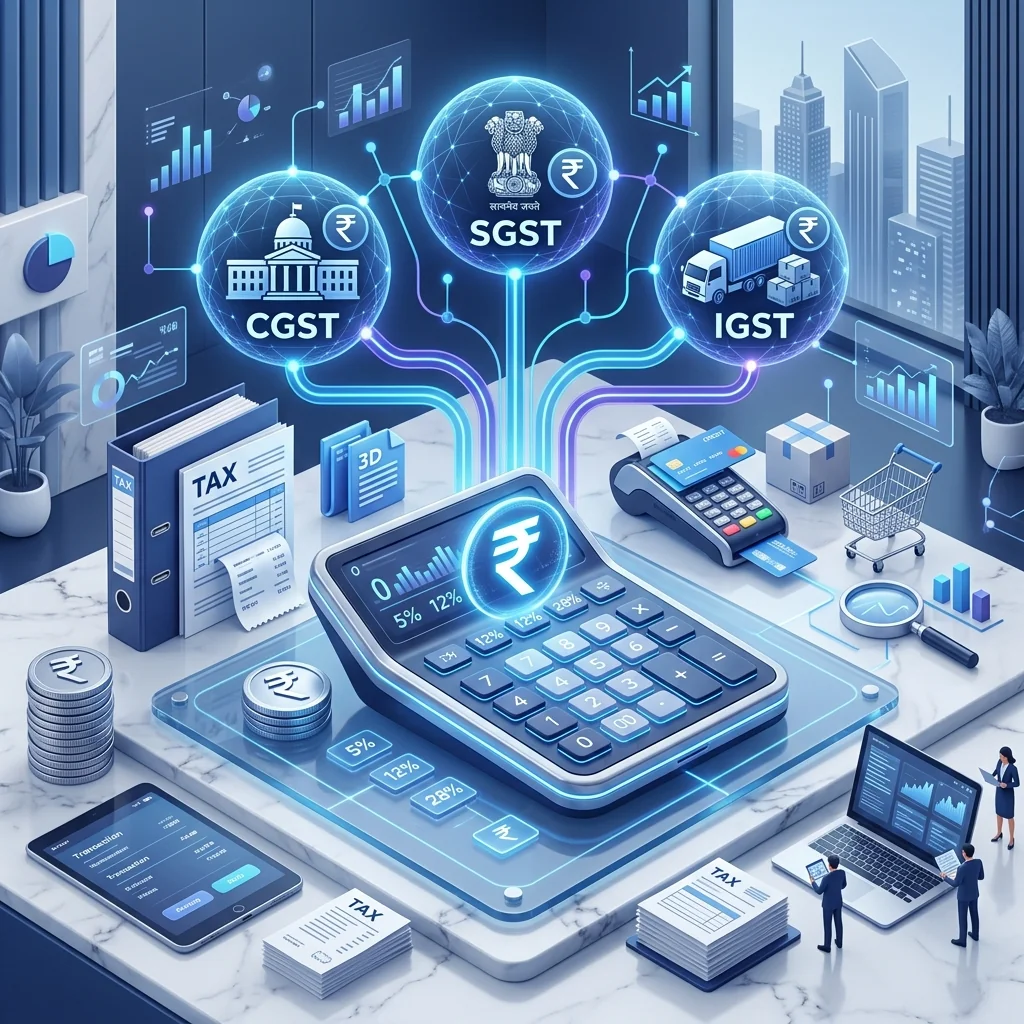
- Taxable Value & Itemized Tax Split: Explicit breakdown of taxable value, applicable rate slab, and separate amounts for CGST, SGST, IGST, and Compensation Cess.
- Place of Supply with State Name & Code: Determines whether the buyer is entitled to intra-state (CGST+SGST) or inter-state (IGST) credit.