How to Win the Amazon Buy Box in 2026: Pricing, Fulfillment & Performance Metrics
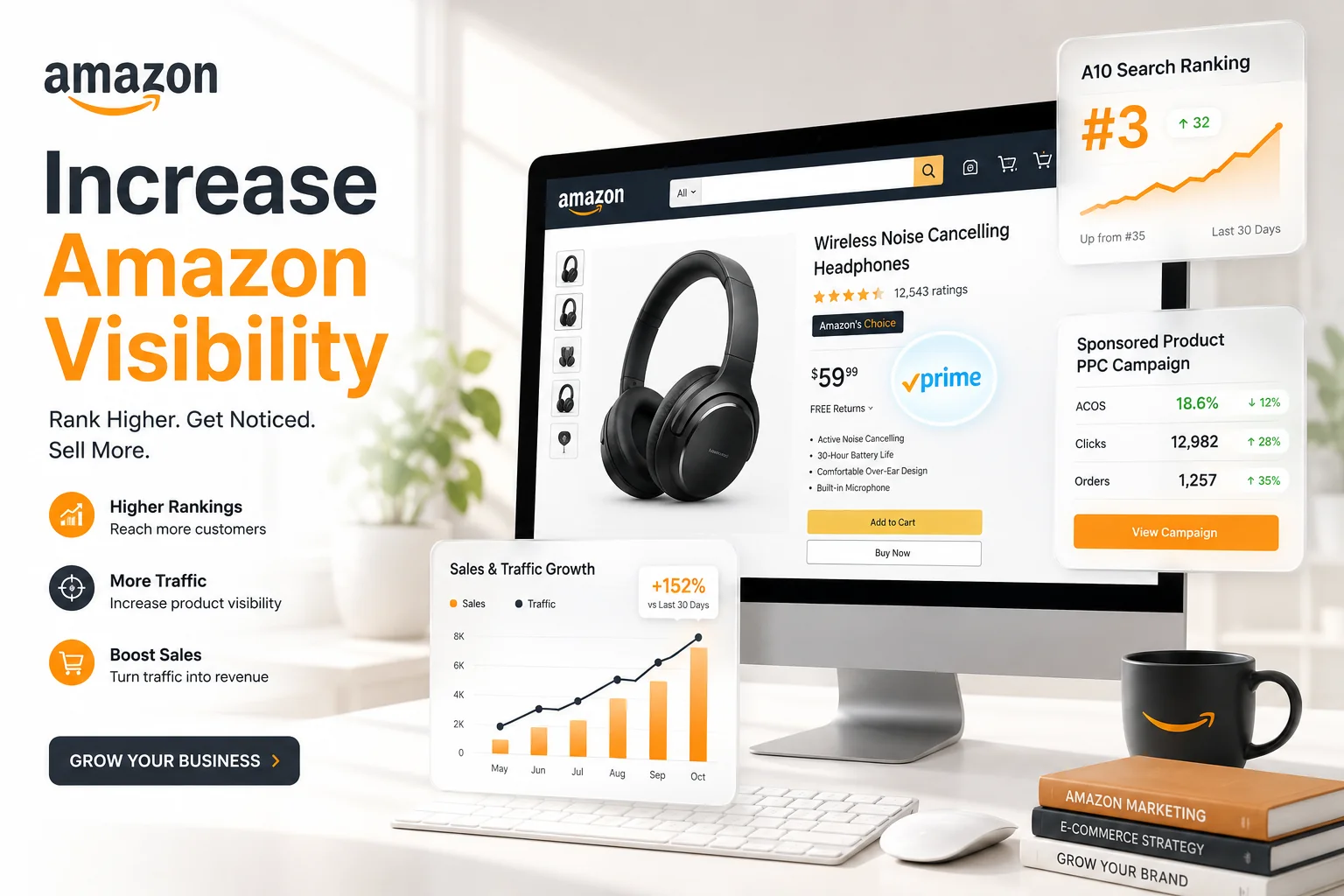
On Amazon India, more than 82% of all sales occur through the Buy Box (the "Add to Cart" and "Buy Now" button on the product detail page). When multiple sellers offer the same ASIN, Amazon's proprietary algorithm dynamically awards the Buy Box to the merchant offering the best overall customer experience. Winning the Buy Box is the single greatest determinant of sales volume.
1. What is the Amazon Buy Box?
When multiple sellers list the same barcode or product SKU, Amazon consolidates them onto a single product page. The seller who wins the Buy Box gets the direct purchase when a buyer clicks "Add to Cart". Other sellers are relegated to the "Other Sellers on Amazon" link, capturing less than 15% of remaining sales traffic.
2. The Core Factors Influencing the Buy Box Algorithm
- Fulfillment Method (FBA vs Easy Ship vs Self-Ship): FBA (Prime) sellers receive top algorithmic preference due to guaranteed fast delivery and high reliability.
- Landed Price (Price + Shipping): Amazon evaluates the total cost to customer. Competitive pricing within 1-2% of the lowest offer is essential.
- Shipping Speed & Estimated Delivery Date: Shorter delivery estimates (same-day or next-day delivery) significantly outweigh small price differences.
- Order Defect Rate (ODR): Must be maintained strictly below 1% (measured across negative feedback, A-to-z guarantee claims, and chargeback claims).
- Inventory In-Stock Consistency: Sellers with sufficient local warehouse depth in multiple regions win higher Buy Box share.
3. Automated Repricing Strategies
To keep your prices competitive without manual monitoring:
- Use Automate Pricing in Seller Central.
- Create a rule to match or beat the Buy Box price by ₹1, with a strict Minimum Price Floor to prevent margin erosion during price wars.
- Set repricing to react only against other Prime/FBA sellers.
4. Buy Box Eligibility Troubleshooting
If you see "No Featured Offer Available" or lose Buy Box eligibility:
- Verify that your account has professional selling status.
- Ensure your pricing does not violate Amazon's Fair Pricing Policy (prices significantly higher than off-Amazon retail benchmarks).
- Improve Seller Feedback ratings above 90% positive.
Deep Dive: Core Principles & Operational Architecture
Mastering How to Win the Amazon Buy Box in India requires a rigorous understanding of both platform algorithms and practical ground operations. For high-volume sellers in India, small efficiencies compound across thousands of monthly orders, separating profitable multi-channel enterprises from struggling accounts.
Whether you operate primarily on Flipkart, Amazon, Meesho, or through direct-to-consumer (D2C) channels, establishing structured, repeatable standard operating procedures (SOPs) ensures consistency, minimizes human error during peak packing hours, and protects your account health score from automated policy violations.
Comprehensive Step-by-Step Strategic Framework
To implement industry best practices for How to Win the Amazon Buy Box in India, follow this proven five-phase execution roadmap:
- Audit & Baseline Assessment: Begin by collecting historical operational data from the past 90 days. Identify recurring bottlenecks, margin leaks, return patterns, and compliance gaps.
- Infrastructure & Process Setup: Implement dedicated software workflows, automated client-side calculation tools, and standardized labeling systems. Eliminate manual calculations and spreadsheet dependencies where possible.
- Quality Control & Verification Protocols: Establish multi-point verification checks before any order is dispatched, any invoice is generated, or any campaign budget is allocated.
- Continuous Performance Benchmarking: Track core key performance indicators (KPIs) on a weekly basis. Compare your metrics against top-tier seller benchmarks in your specific product category.
- Optimization & Iterative Scaling: Reinvest recovered capital and operational time into catalog expansion, private-label branding, and optimized inventory depth across regional fulfillment centers.
Real-World Business Case Study & Numerical Analysis
Consider a mid-sized online merchant processing 1,500 monthly shipments in the competitive fashion and home accessories category. Prior to streamlining their operational workflow for How to Win the Amazon Buy Box in India, the seller experienced an average overhead loss of ₹18 to ₹35 per order due to operational friction, processing delays, and unverified deductions.
| Metric Area | Before Optimization | After Implementation | Net Operational Impact |
|---|---|---|---|
| Processing Time Per Unit | 4.5 minutes | 1.2 minutes | 73% time saved per dispatch batch |
| Error & Discrepancy Rate | 6.8% of dispatches | 0.4% of dispatches | Elimination of penalties & RTO flags |
| Monthly Overhead Savings | ₹0 (Baseline) | ₹32,500 / month | Direct bottom-line profit injection |
Common Pitfalls to Avoid
- Ignoring Automated Algorithm Updates: E-commerce marketplaces update their ranking and compliance algorithms frequently. Relying on outdated strategies risks sudden traffic loss.
- Neglecting Regular Data Reconciliation: Failing to match platform reports against actual bank settlements and tax portal filings leads to uncollected reimbursements and surprise tax penalties.
- Relying on Manual Calculations: Manual data entry introduces mathematical errors in tax breakdowns, HSN allocation, and margin evaluations. Always use automated, tested calculation engines.
- Compromising on Document Integrity: Low-resolution shipping labels, illegible barcodes, or non-compliant invoices cause courier scan failures and buyer disputes.
Frequently Asked Questions (FAQs)
How does How to Win the Amazon Buy Box in India directly impact seller profitability?
By eliminating operational inefficiencies, reducing return rates, ensuring full tax credit recovery, and enhancing catalog search rankings, proper implementation directly widens gross profit margins by 3% to 8%.
Is this process applicable for small sellers with low daily order volume?
Yes. In fact, implementing these best practices early prevents compounding administrative debt as your order volume scales from 10 orders a day to several hundred.
What tools are recommended to automate this workflow?
Utilize Private Crop's suite of free client-side utilities—including automated shipping label croppers, PDF mergers, and GST invoice calculators—to handle repetitive processing securely inside your browser without monthly software subscription costs.
Daily Operational Checklist for E-Commerce Sellers
- ☐ Verify all pending order dispatches within platform SLA windows.
- ☐ Inspect cropped shipping labels for high-contrast barcode clarity before printing.
- ☐ Log and reconcile incoming customer returns and courier RTO packages.
- ☐ Cross-check tax rates, HSN codes, and invoice serial numbers against current regulations.
- ☐ Archive digital copies of all daily settlement files and tax invoices for long-term audit readiness.
Conclusion
Prioritizing FBA fulfillment, competitive automated pricing, and high operational health metrics ensures consistent Buy Box dominance and maximum daily sales.