E-Commerce GST TCS & TDS Reconciliation Guide: Complete Process for Online Sellers
For e-commerce sellers in India, reconciling Tax Collected at Source (TCS) deducted by marketplaces like Flipkart, Amazon, Meesho, and Snapdeal is one of the most vital monthly accounting tasks. Incorrect reconciliation can lead to lost tax credits, inflated tax liabilities, and scrutiny notices from the GST department. This comprehensive guide walks you through the complete TCS and TDS reconciliation process for multi-channel e-commerce operations.
Understanding E-Commerce TCS Under Section 52 of CGST Act
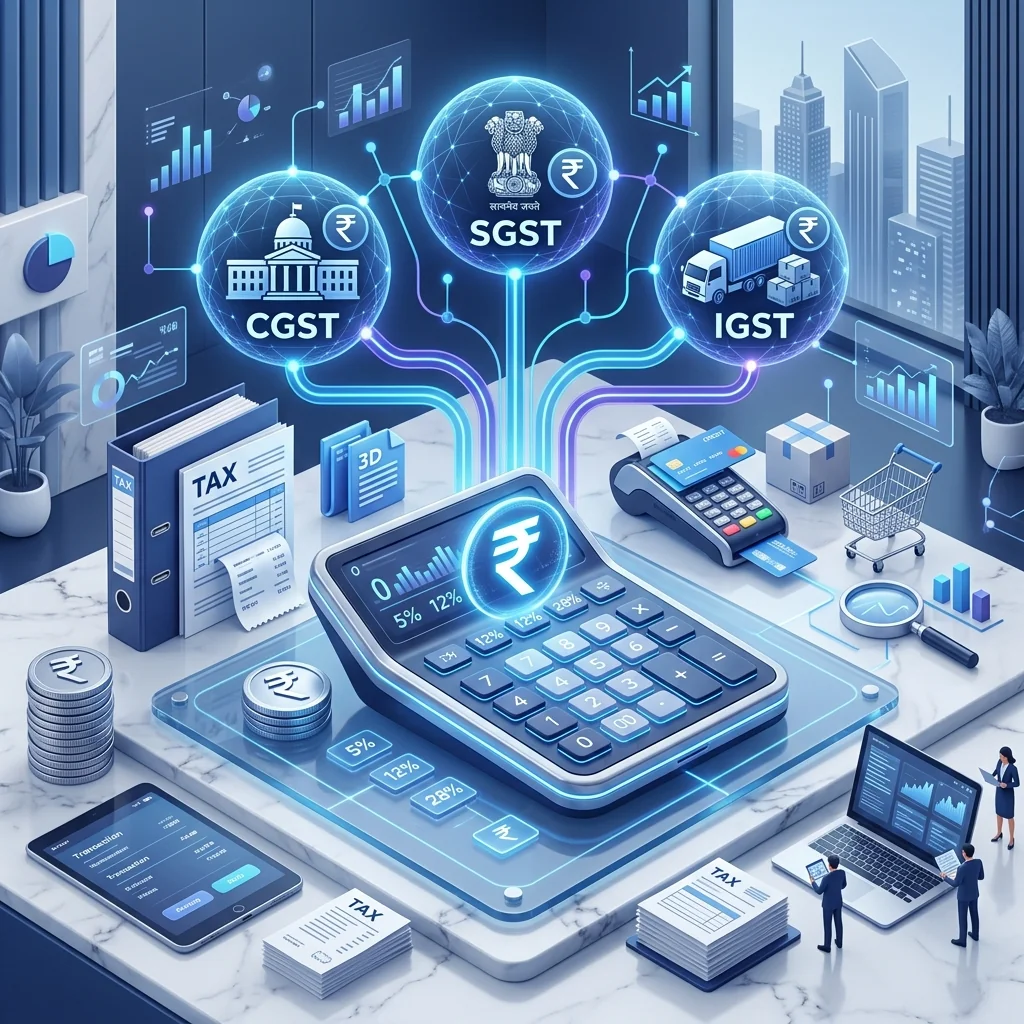
Under Section 52 of the CGST Act 2017, every Electronic Commerce Operator (ECO) is statutorily required to collect tax at source (TCS) at the rate of 1% (0.5% CGST + 0.5% SGST for intra-state supplies, or 1% IGST for inter-state supplies) on the net value of taxable supplies made through their platform. The net value is calculated using the standard formula:
Net Value of Taxable Supplies = Gross Value of Taxable Supplies - Value of Sales Returns (RTO & Customer Returns)
The marketplace operator deducts this 1% TCS from the seller's payout settlement and deposits it with the Central and State Governments by the 10th of the following month via Form GSTR-8. The seller can then accept and claim credit for this deposited TCS in their electronic cash ledger on the GST portal to offset cash tax liability.
TCS Deduction Framework Across Major Marketplaces
- Amazon India: Deducts 1% TCS on all net dispatched orders. Monthly TCS breakdown statements are downloadable in Seller Central under Reports > Tax Document Library > Merchant Tax Report.
- Flipkart: Collects 1% TCS at order level. Sellers can download monthly TCS reconciliation files from Flipkart Seller Hub under Payments > Invoices > Tax Reports.
- Meesho: Deducts 1% TCS net of customer cancellations and return shipments. Statements are available under Meesho Supplier Panel > Payments > TCS Reports.
- Snapdeal & Others: Follow identical 1% deduction cycles with monthly statements available under seller settlement tabs.
Step-by-Step Monthly TCS Reconciliation Procedure
Step 1: Download Marketplace Monthly Settlement & Tax Reports
At the close of each calendar month, download the detailed MTR (Merchant Tax Report) or settlement report from each active marketplace account. Extract the aggregate taxable order values, gross return values, net taxable value, and total TCS deducted across CGST, SGST, and IGST heads.
Step 2: Access the GST Portal and View Form GSTR-2X / TCS Credits
Log in to the official GST portal (gst.gov.in) with your credentials. Navigate to Services > Returns > Returns Dashboard, select the financial year and return period, and click on "TDS and TCS credit received" (Form GSTR-2X). This dashboard auto-populates all TCS amounts filed by Amazon, Flipkart, Meesho, and other platforms under Form GSTR-8 against your GSTIN.
Step 3: Compare Platform MTR Data Against Portal Records
Perform an itemized cross-verification between marketplace-reported TCS and portal-populated entries. Ensure that the GSTIN listed by the marketplace matches your active registration, the taxable base corresponds to your actual sales, and tax head allocations (IGST vs CGST/SGST) align with the customer delivery state.
Step 4: Accept or Reject TCS Entries on the Portal
Review each line entry under the TCS Credit Received table on the GST portal. If the numbers match, select "Accept" to credit the funds into your Electronic Cash Ledger. If there is an unresolved discrepancy, you may reject or keep the entry pending while raising a dispute ticket with the marketplace merchant helpdesk.
Step 5: Offset Net GST Liability in GSTR-3B
Once accepted, the TCS funds become immediately available in your Electronic Cash Ledger. When filing your monthly GSTR-3B return, utilize these cash balances to pay off your net tax liabilities, substantially reducing the out-of-pocket cash required for tax compliance.